
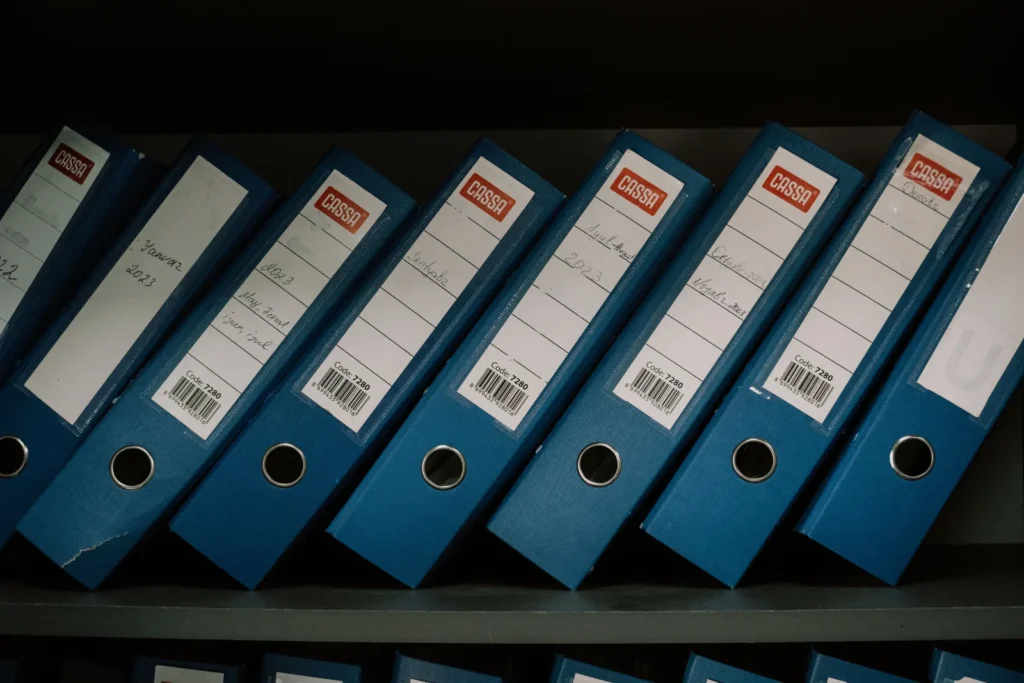
Owners rarely hold every repair order by the time a dispute becomes serious. Learning how to get vehicle service history from manufacturer and dealership records fills those gaps, and the resulting file is often the single most useful document in a warranty or lemon law claim.
Why the complete history matters
Warranty claims are decided on the repair record, so an incomplete record understates your case. Missing visits mean missing repair attempts, uncounted days out of service, and gaps a manufacturer can use to argue that a defect was reported only once or twice.
There is a second reason to gather everything. Warranty work performed at any authorized dealership for your brand is typically reported to the manufacturer, which means the manufacturer’s file may include visits you have forgotten or paperwork you never received. Our overview of the lemon law explains how those attempts and days are counted.
What a warranty history report usually shows
A warranty history report is the manufacturer’s internal record of claims submitted against your VIN. Contents vary by brand, but these reports commonly include the date of each visit, the servicing dealership, mileage, the operation performed, parts replaced, labor claimed, and any related campaign or recall work.
Two limitations are worth knowing. Customer-pay repairs may not appear, because they were never billed to the manufacturer, and the report reflects what the dealership submitted rather than what you described. That is why manufacturer records and dealer records are complementary rather than interchangeable.
How to request the records
Work through both channels, since neither alone is complete.
Step 1: Start with the dealerships you visited
Contact the service department of each dealership that worked on the vehicle and request copies of all closed repair orders for your VIN. Ask for the full document rather than a summary, and specify the date range. Most dealerships can retrieve records well beyond the current year.
Step 2: Request the manufacturer’s warranty history
Contact the manufacturer’s customer relations or warranty department, which is listed in the warranty booklet and on the brand’s website. Ask specifically for the warranty claim history for your VIN. Have the VIN, purchase or lease details, and your ownership dates ready.
Step 3: Put the request in writing
If a phone request stalls, send the same request by email or letter and keep a copy. A written request creates a record of what you asked for and when, which matters if records are later said to be unavailable.
Step 4: Check the public safety databases
Cross-check your VIN against the National Highway Traffic Safety Administration’s recall lookup, which shows unrepaired safety recalls for a specific vehicle and, by year, make, and model, lists investigations, complaints, and manufacturer communications. Recall or campaign work that appears there should also appear in your service history.
Once you have the records, ask Car Defender Law to review the full timeline.

What to do when records are missing or refused
Requests are sometimes ignored, and files are sometimes incomplete. Several steps usually help.
- Ask a different dealership in the same brand network, since warranty history is generally visible network-wide.
- Provide the exact dates and mileage from the records you do have, which makes retrieval easier.
- Check your own sources: email confirmations, text threads with service advisors, loaner and rental agreements, tow receipts, and card statements showing service charges.
- Note the refusal in writing, including who you spoke with and when.
A gap you cannot close is not necessarily fatal. Corroborating documents frequently establish that a visit occurred even when the repair order itself is unavailable, which is one reason a careful warranty repair history is worth maintaining from the first appointment.
How Car Defender Law uses a full service history
A complete file allows the timeline to be reconstructed precisely: which visits involved the same defect, how the complaint wording changed, how many days the vehicle was actually out of service, and whether the pattern lines up with manufacturer bulletins or recalls for the model. That reconstruction is what supports a demand for a repurchase, a replacement, or a negotiated resolution, and it also identifies where an attorney may need to obtain records through formal channels.
Getting your vehicle service history: the record your claim is built on
The practical answer to how to get vehicle service history from manufacturer files is to ask both sides, in writing, and to cross-check the results. Request dealer service records for every location that touched the car, ask the manufacturer for the warranty history report tied to your VIN, and verify recall work against the public database.
If the same defect keeps returning, assemble the file first and have it reviewed while your warranty and statutory windows remain open. Car Defender Law represents drivers with defective vehicles in states including California, Texas, Florida, and New York.
Contact Car Defender Law to have your complete service history evaluated.