

Few things are more frustrating than picking up a car that still misbehaves and reading that nothing was wrong with it. When the dealer says no problem found, the visit is not wasted and your position is not lost. What matters is how the visit was documented and what you do next.
What the phrase actually means
“No problem found,” “no fault found,” and “could not duplicate concern” all describe the same outcome: the technician was unable to reproduce the symptom during the time the vehicle was in the shop. It is a statement about the diagnostic attempt, not a finding that the vehicle is healthy.
That distinction matters because manufacturers sometimes treat these entries as evidence that no defect exists. In practice, a technician working from a short test drive and a scan tool may simply have missed a fault that appears only under specific conditions.
Why intermittent faults escape diagnosis
Intermittent car problem repair is genuinely difficult, and most modern defects that reach this stage are intermittent. Symptoms tied to temperature, humidity, fuel level, road surface, battery state, or a specific sequence of driver actions can disappear entirely in a service bay.
Software adds another layer. Many faults leave no stored code once the system resets, and some modules clear history after a set number of drive cycles. A clean scan is not proof that nothing happened, though it is often presented that way.
Does the visit still count as a repair attempt?
In most states, yes. A documented visit for a covered defect generally counts toward the repair attempts a manufacturer is allowed, even when no repair was performed, provided a repair order records the complaint. This is precisely why the paperwork from a no-fault-found visit is worth as much as the paperwork from a major repair.
The thresholds themselves vary by state. Texas, for example, applies a four-times test, a serious safety-hazard test, and a 30-day out-of-service test through its Department of Motor Vehicles. Our lemon law overview explains how those frameworks compare across states.
How to make an intermittent defect reproducible
The goal is to hand the next technician a set of conditions rather than a description of frustration.
Step 1: Record the conditions, not just the symptom
Note the ambient temperature, whether the engine was cold or warm, the speed, the gear, the road type, the fuel level, and what you were doing at the moment the fault appeared. Patterns emerge quickly once several entries exist.
Step 2: Capture evidence safely
Video and photographs of warning messages, gauge readings, and infotainment errors are persuasive. Record only when the vehicle is safely stopped, or ask a passenger to record. Never film while driving.
Step 3: Give the dealership the pattern in writing
Attach your notes to the appointment and ask that the specific conditions be written on the repair order. A request to test the vehicle cold, or on a particular type of road, is far more actionable than a general complaint.
Step 4: Ask for a longer diagnostic or a ride-along
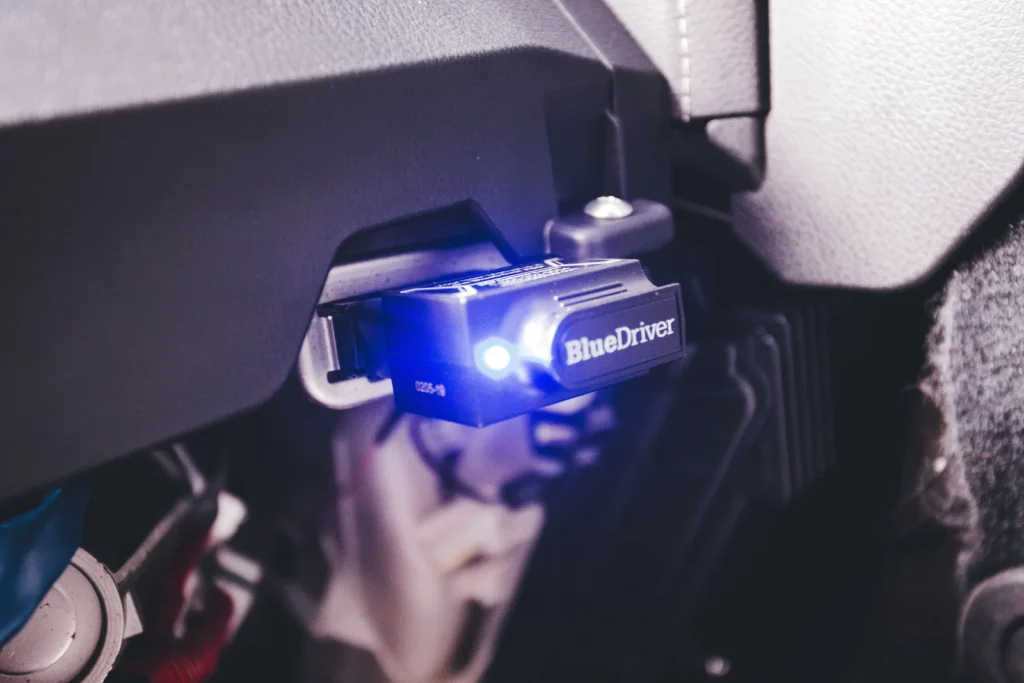
Where a fault is short-lived, ask whether the dealership can keep the vehicle overnight, install a data recorder, or send a technician on a drive with you. Note the response on the repair order either way.
Keep every no-fault-found repair order and ask Car Defender Law to review the pattern.
What not to do after a no-fault-found visit
Two reactions weaken otherwise strong files. The first is giving up on the dealership and simply living with the defect, which stops the repair record from developing while statutory windows keep running. The second is taking the vehicle to an independent shop for the same warranty defect, since repairs performed outside the authorized network usually do not count as manufacturer attempts.
There is one important exception to the first point. If the symptom involves braking, steering, stalling in traffic, fire risk, or an airbag warning, treat it as a safety matter, stop driving the vehicle if you can, and get guidance promptly rather than scheduling another routine appointment.
How a pattern of unresolved visits builds a claim
Several no-fault-found entries for the same symptom can be more persuasive than a single repair, because together they show a defect the manufacturer’s own network could not diagnose. A careful review compares your complaint wording across visits, checks for related technical service bulletins, and maps the total time the vehicle spent unavailable. Consistent documentation of your warranty repair history is what turns those visits into a pattern rather than a series of dead ends.
When the dealer says no problem found: your next step
If the dealer says no problem found and the symptom returns on your drive home, the finding describes the diagnosis, not your vehicle. A could not duplicate concern entry still documents that you reported a defect, and repeated entries of that kind often become the backbone of a claim.
Keep every repair order, record the conditions that trigger the fault, and get the file reviewed before deadlines close. Car Defender Law represents drivers with defective vehicles in states including California, Texas, Florida, and New York.
Contact Car Defender Law to have your repair history and unresolved visits evaluated.